
Blogs & Bulletins
If you’ve been using classic Schedule 40 for various applications, you know the routine. Primer, glue, fumes in the air, sticky hands, and waiting around for joints to cure before you can fire up the appliance. It’s familiar, but that doesn’t mean it’s the best way forward.
Across North America, more contractors are rethinking how exhaust vent systems are assembled, especially as high-efficiency boilers and condensing appliances become the norm. One of the biggest shifts? Moving away from the old school vent materials that require solvents
And that’s where InnoFlue®, InnoFlue® Lite and our Centrocerin lubricant come in.
The Problem with Solvents and Glues
Solvent-based solutions have been around forever, but they come with real drawbacks; especially busy job sites where installers are juggling tight timelines.
First, there’s curing time. Once you glue a joint, you’re waiting. That can slow down commissioning, inspections, and turnover; not ideal when homeowners or commercial clients want to heat straight away.
Then there are fumes and VOCs. Primers and solvents release strong odors and chemicals into enclosed spaces, which isn’t great for installers, other trades, or occupants, particularly in basements, mechanical rooms, and retrofits common throughout older buildings.
Let’s not forget that glued joints are permanent. If something needs to be adjusted, you’re cutting pipe, wasting material, and starting over.
2_Width-1100.jpg?language=en-US)
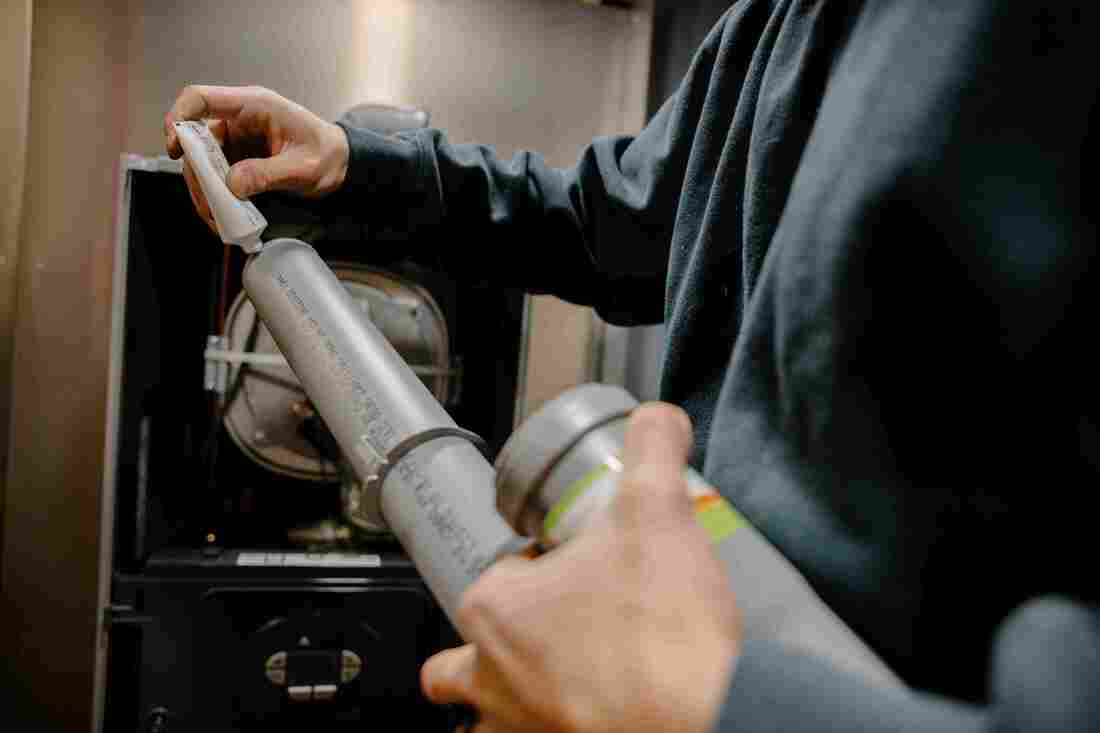
Centrotherm and Centrocerin Lubricant
Polypropylene vent systems eliminate those headaches by design. Instead of relying on chemical bonding, systems are joined using integrated gasket connections. Pipes and fittings push together, forming a tight, tested seal; no glue, no primer, no cure time.
That means:
- Faster installs
- Immediate appliance startup
- Cleaner job sites
- Less exposure to chemicals
- Fewer mistakes you can’t undo
What is Centrocerin Lubricant?
You might hear “lubricant” and think it’s just another chemical; but that’s not the case here.
Centrocerin lubricant is water-based, not solvent-based. Its job is simple: help the pipe slide smoothly into the gasket during installation without damaging the seal. It doesn’t bond anything together, and it doesn’t compromise the vent system.
Once the joint is assembled, the gasket does the real work; maintaining an airtight seal designed for flue gas temperatures up to 230°F.
Why This Matters for Safety and Long-Term Performance
From a safety standpoint, solvent-free venting reduces installer exposure to harsh chemicals, something that matters more than ever on jobs with tight indoor spaces or occupied buildings.
From a sustainability POV? Not using solvent adhesives supports greener building practices, helps reduce VOC emissions, and aligns well with LEED and environmentally conscious construction trends happening, particularly across the U.S. market.
Built for Real Job Sites, Not Just the Spec Sheet
The biggest advantage of not using solvents, adhesives, or glues in exhaust gas venting isn’t just one thing; it’s the combination of:
- Faster installs in competitive labor markets
- Cleaner, safer job sites
- Flexible systems that allow adjustmentswhen necessary
- Immediate commissioning
- Reduced material waste
The HVAC industry across North America is moving toward smarter, cleaner, and more efficient installation practices, and flue gas venting is no exception.
By replacing solvents, adhesives, and glues, contractors can work faster, safer, and more confidently, without sacrificing performance or reliability. And with water-based lubricant like Centrocerin lubricant supporting gasketed connections, installers get the best of both worlds: ease of installation without chemical dependence.
Last Updated: 4/10/2026