
Blogs & Bulletins
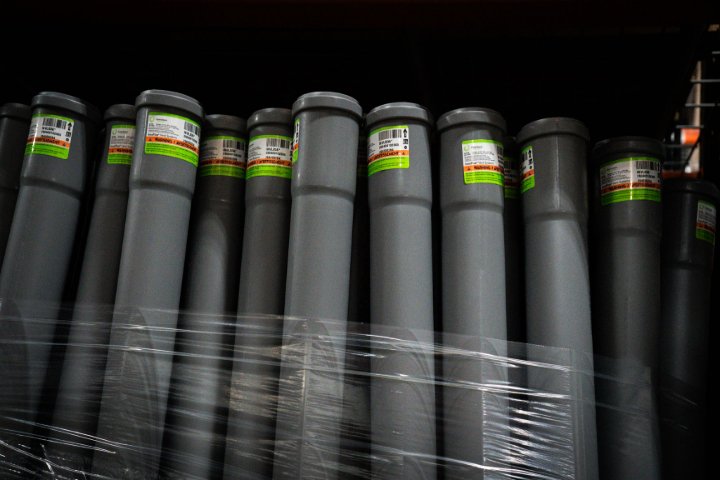
As high-efficiency boilers, furnaces, and tankless water heaters become more common, installers are increasingly moving away from PVC venting systems in favor of polypropylene vent pipe for exhaust flue gas venting.
Many modern polypropylene exhaust vent systems are tested and certified to UL 1738 standards for Category II and Category IV gas-burning appliances, as required by local jurisdictions. However, even in areas where code is not mandated, contractors are increasingly making the switch due to polypropylene’s superior performance in the high-moisture, acidic environments created by modern condensing appliances.
Unlike Sch.40 PVC, UL 1738-listed polypropylene like InnoFlue® systems are engineered to handle:
- Acidic condensate
- Positive-pressure venting
- Elevated flue gas temperatures
- Long-term moisture exposure
Because of these advantages, polypropylene vent pipe has become one of the fastest-growing venting materials for modern high-efficiency heating systems.
What Is Polypropylene Pipe?
Polypropylene pipe is a thermoplastic venting material used for:
- Condensing boilers
- High-efficiency furnaces
- Tankless water heaters
- Commercial heating systems
- Positive-pressure exhaust systems
Often called PP vent pipe, polypropylene systems are specifically engineered for the conditions that create condensate produced by modern condensing appliances.
Many polypropylene vent pipes including InnoFlue® are tested to UL 1738 standards, which evaluate:
- Temperature performance
- Condensate resistance
- Pressure capability
- Long-term flue gas compatibility
This is one reason many appliance manufacturers increasingly approve polypropylene vent systems for condensing equipment.
Why Contractors Are Switching From PVC to Polypropylene for Flue Gas Venting
Many contractors researching polypropylene vent pipe are ultimately asking the same question: Is polypropylene better than PVC for condensing appliances?
In short, yes.
Many UL 1738-listed polypropylene systems like InnoFlue® are approved for continuous flue gas temperatures up to 230°F depending on the manufacturer and application.
Compared to PVC, polypropylene generally offers:
Feature | Polypropylene | PVC |
Condensate Resistance | Excellent | Moderate |
Temperature Capability | Higher | Lower |
Positive Pressure Performance | Excellent | Moderate |
UL 1738 Listings | Common | Limited |
Long-Term Durability | Excellent | Moderate |
Why Condensing Appliances Need Different Exhaust Venting Materials
Modern condensing appliances create very different venting conditions than older heating systems.
By extracting additional heat from combustion gases, these systems produce:
- Cooler exhaust temperatures
- Increased acidic condensate
- Positive-pressure venting environments
- Higher moisture levels inside vent systems
Alternative vent materials such as PVC were not originally designed for these operating conditions.
That’s why many boiler and furnace manufacturers increasingly specify engineered polypropylene vent systems like for modern condensing equipment.
What Contractors Say About Polypropylene Vent Systems
One of the biggest reasons polypropylene adoptions continues to grow is simple: contractors consistently say it’s easier to work with in the field.
At a commercial HVAC training facility in Massachusetts, installer Buddy Felt highlighted the lightweight handling and clean installation process compared to PVC systems.
“It’s lightweight and easy to work with, much lighter than CPVC, easier to cut, and simpler to clean up”
Because many polypropylene systems like InnoFlue® use push-fit gasketed connections, installers can often avoid primers and solvent cements entirely.
Buddy specifically noted how much cleaner this made finished mechanical room installations:
“With PVC, you’d have purple primer everywhere… I wouldn’t want that on a finished epoxy floor.”
He also emphasized the installation speed advantage:
“I could vent this furnace in less than two hours, no problem.”
In another Massachusetts installation, contractor Mike Ciardi praised the flexibility of polypropylene support systems during a Rinnai vent installation.
“You have multiple points of connections… you can hang it from each individual way, from two different styles.”
He also noted how easily the system assembled:
“It goes together pretty simple.”
These kinds of real-world contractor experiences are a major reason more installers are transitioning toward polypropylene vent systems like InnoFlue®.
“It’s lightweight and easy to work with, much lighter than CPVC, easier to cut, and simpler to clean up”
Why Installers Prefer Polypropylene Vent Systems
Contractors commonly cite several advantages when switching from PVC to polypropylene.
Cleaner Installations
Many polypropylene systems eliminate the need for:
- Primers
- Solvent cements
- Adhesives
This creates cleaner mechanical room installations and reduces installation mess.
Faster Vent Assembly
Push-fit gasketed systems often reduce installation time compared to solvent-welded PVC systems.
Lightweight Handling
Polypropylene pipe is easier to transport, position, and support during installation, especially in commercial applications.
Easier Adjustments
Unlike solvent-welded PVC systems, some polypropylene connections can be disassembled and adjusted if needed.
As Buddy Felt explained:
“If you lube it up again, you can actually take it apart—whereas PVC is one and done.”
In demanding environments where vent temperatures and condensate exposure are major concerns, many contractors increasingly view polypropylene as a safer and more reliable alternative to PVC.
Important Installation Considerations
As polypropylene systems become more common, proper installation practices remain critical.
Contractors should always verify:
- Approved vent materials
- Maximum vent lengths
- Temperature ratings
- Appliance-specific venting instructions
As appliances continue evolving toward higher efficiency, venting materials must evolve alongside them.
Compared to PVC, polypropylene vent pipe offers major advantages in:
- Condensate resistance
- Temperature performance
- Installation speed
- Long-term durability
- Positive-pressure performance
- UL 1738-listed safety compliance
And according to installers already using these systems in the field, the benefits are not just theoretical; they are practical, measurable, and immediately noticeable during installation.
Last Updated: 5/29/2026
Get in touch with us
Do you have a question about our solutions, our product portfolio or are you interested in becoming one of our international business partners? Please contact us, we will be happy to help you.
Contact us