
Blogs & Bulletins
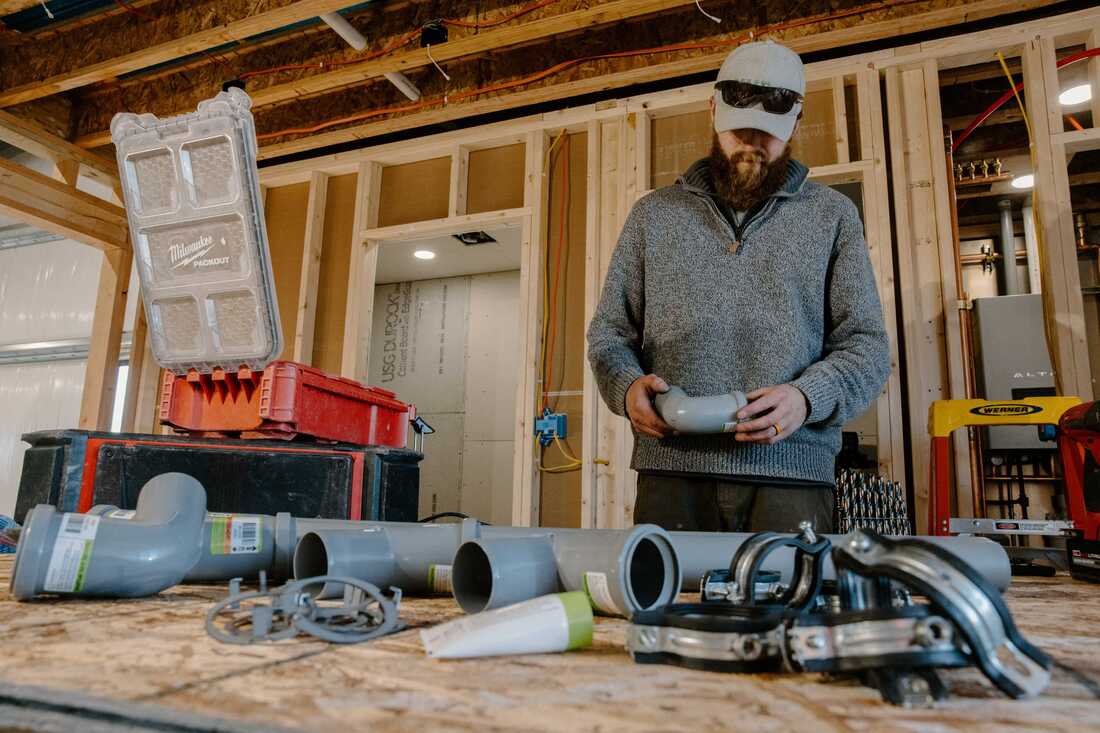
For HVAC contractors, reliability isn’t optional; it’s expected. While the appliances often get the spotlight, the exhaust vent pipe is one of the most critical (and frequently overlooked components of any heating system installation.
From system performance to homeowner safety and code compliance, selecting and properly installing the right flue gas vent pipe can make or break an install. This guide is designed specifically for contractors who want to deliver dependable, long-lasting heating systems using modern venting solutions.
What Is a Flue Gas Vent Pipe and Why Contractors Should Care
A flue gas exhaust vent pipe is responsible for safely transporting combustion gases from boilers, furnaces, and water heaters to the outside environment. If a venting system fails, the results can include:
- Potentially fatal carbon monoxide leaks
- Poor system performance
- Premature equipment failure
- Failed inspections
- For contractors, this means callbacks, liability, and lost trust.
Modern heating appliances, especially high-efficiency condensing systems, demand venting solutions engineered to handle acidic condensate, fluctuating temperatures, system expansion and contraction, and complex routing. That’s where engineered polypropylene systems like Centrotherm InnoFlue® come into play.
Exhaust Vent Pipe Performance in Modern Heating Systems
Not all flue gas vent pipe materials perform equally. Many venting materials can corrode over time due to acidic condensate produced by condensing appliances. Polypropylene ventilation pipe systems are designed specifically to resist corrosion while maintaining structural integrity.
Centrotherm’s InnoFlue polypropylene vent systems are:
- UL-1738 and ULC-S636 listed
- Rated for flue gas temperatures up to 230°F (110°C)
- Lightweight for faster installs
- Available in rigid, flexible, and concentric configurations
These features help contractors reduce installation time while meeting manufacturer specs and inspection requirements.
Exhaust Vent Pipe Design: What Contractors Need to Get Right
Dedicated Exhaust Vent Pipe vs. Combined Systems
An exhaust vent pipe specifically removes flue gases from the appliance, ensuring proper draft and safe discharge. Many modern systems now use concentric venting, which combines exhaust and intake air into a single penetration, a major advantage on tight job sites.
Benefits of concentric exhaust vent pipe systems include:
- Fewer wall or roof penetrations
- Cleaner aesthetics
- Reduced installation complexity
- Improved airflow balance
Centrotherm offers concentric vent systems designed for efficiency and flexibility in residential and commercial applications.
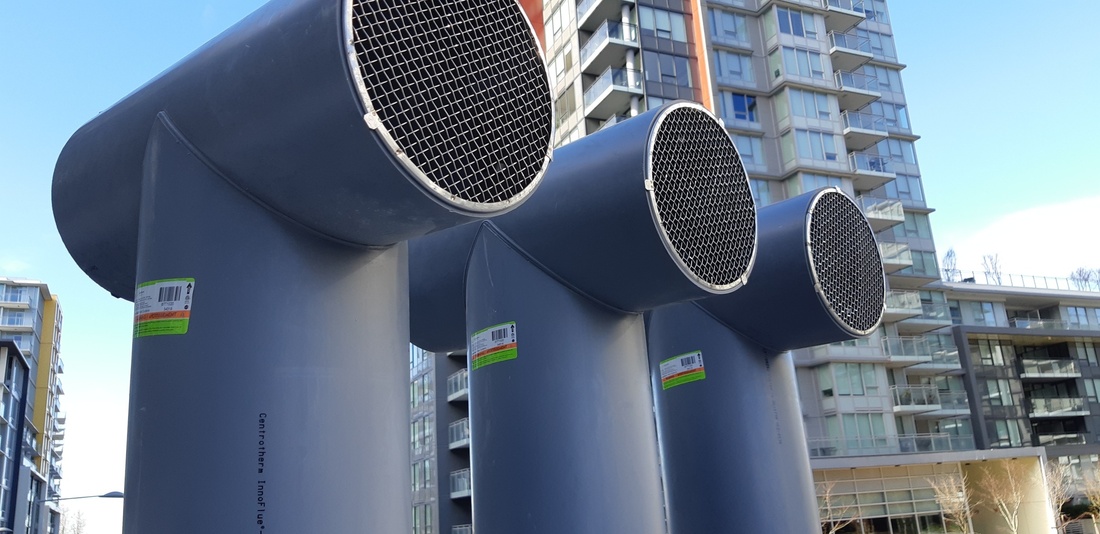
Best Practices for Roof Installations
A properly installed flue gas vent pipe on roof must do more than exhaust gases; it must maintain weather tightness, structural integrity, and long-term durability.
Centrotherm roof termination solutions are engineered to:
- Ensure safe exhaust discharge
- Maintain UV resistance
- Meet UL listing requirements
- Simplify installation for contractors
Using manufacturer-approved terminations helps eliminate guesswork and reduces inspection issues.
Why Contractors Choose Centrotherm exhaust Vent Pipe Systems
Contractors choose Centrotherm Eco Systems because their vent pipe solutions are designed with installers in mind:
- Push-fit connections for faster installs
- Clear system documentation
- Compatibility with leading boiler and furnace brands
- Provenperformance across residential and commercial projects
Whether you’re running a residential or complex multi-appliance system, Centrotherm’s flue gas vent pipe solutions help you deliver consistent results.
Final Takeaway: Exhaust Vent Pipes Are Not an Afterthought
For contractors, the flue gas vent pipe is not just a required component; it’s a critical system that affects safety, performance, and reputation. Choosing the right flue gas ventilation pipe, designing a reliable exhaust vent pipe layout, and properly terminating the vent pipe on roof are all essential steps toward a successful installation.
By using engineered solutions from Centrotherm, contractors can reduce callbacks, pass inspections with confidence, and deliver heating systems that perform exactly as promised.
Last Updated: 4/10/2026